Nascetta
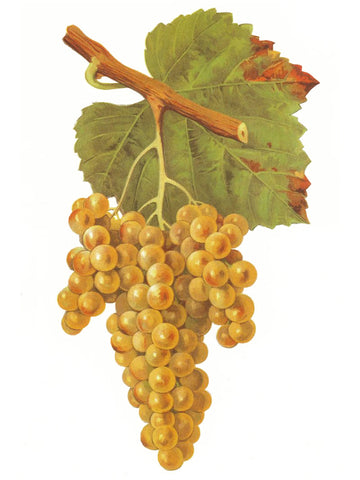
Nascetta is one of the few native white grapes from the Barolo area itself. It comes from Novello and almost disappeared. Today it is becoming the white wine of the Langhe: fragrant, fresh and with surprising ageing potential.
Nascetta at a glance
- Colour: white grape
- Origin: Novello, in the Langhe
- Also known as: Nas-cëtta or Anascetta
- Budburst: early, beginning of April
- Flowering: June
- Veraison: August
- Harvest: late September to early October
- Pruning: Guyot
- Main wines: Langhe Nascetta DOC and Langhe Nas-cëtta del Comune di Novello
Name and history
The first description of Nascetta dates from 1877, when the ampelographer Giuseppe di Rovasenda wrote of a grape with "very delicate grapes and excellent wine". For a long time it was mainly used in blends or as a table grape, and in the 20th century it almost disappeared completely.
In the 1990s Elvio Cogno and the Daniele brothers of the Le Strette winery tasted the wine at farms in Novello. They began making Nascetta as a single-variety wine, and other producers followed. Since 2010 there has been a separate designation within the Langhe DOC for Nascetta from Novello. The producers there work together in an association that is campaigning for a DOCG of its own.
In the vineyard
Nascetta buds early and is prone to disease. It grows mainly on the calcareous marl around Novello and Barolo, the same soils as Nebbiolo. That gives the wine structure, fresh acidity and a salty minerality. Depending on the winemaker, Nascetta is aged in steel or in wood.
The wines of Nascetta
- Langhe Nascetta DOC: at least 85% Nascetta from the Langhe.
- Langhe Nas-cëtta del Comune di Novello: 100% Nascetta from Novello and a small part of Barolo and Monforte. This wine may only be released from 20 April after the harvest.
Read more about the village on our page about Novello.
Taste and style
Nascetta is semi-aromatic. In the glass it is straw yellow with a green glint. On the nose citrus, grapefruit, white peach, white flowers, thyme and sage, with a touch of acacia honey after a few years. On the palate it is full and fresh at the same time, with a salty minerality and a slightly nutty finish. Serve at 10 to 12 degrees.
Food with Nascetta
Nascetta goes with shellfish, raw and grilled fish, vegetable dishes, risotto, white meat and young cheeses. Thanks to its structure it can also handle dishes that are a little too hearty for many white wines.
Our Nascetta wines
See our Nascetta wines, or discover the other grape varieties of Piedmont.

